Designing the Next Generation: Melanie Reddrick on Mentorship in Architecture
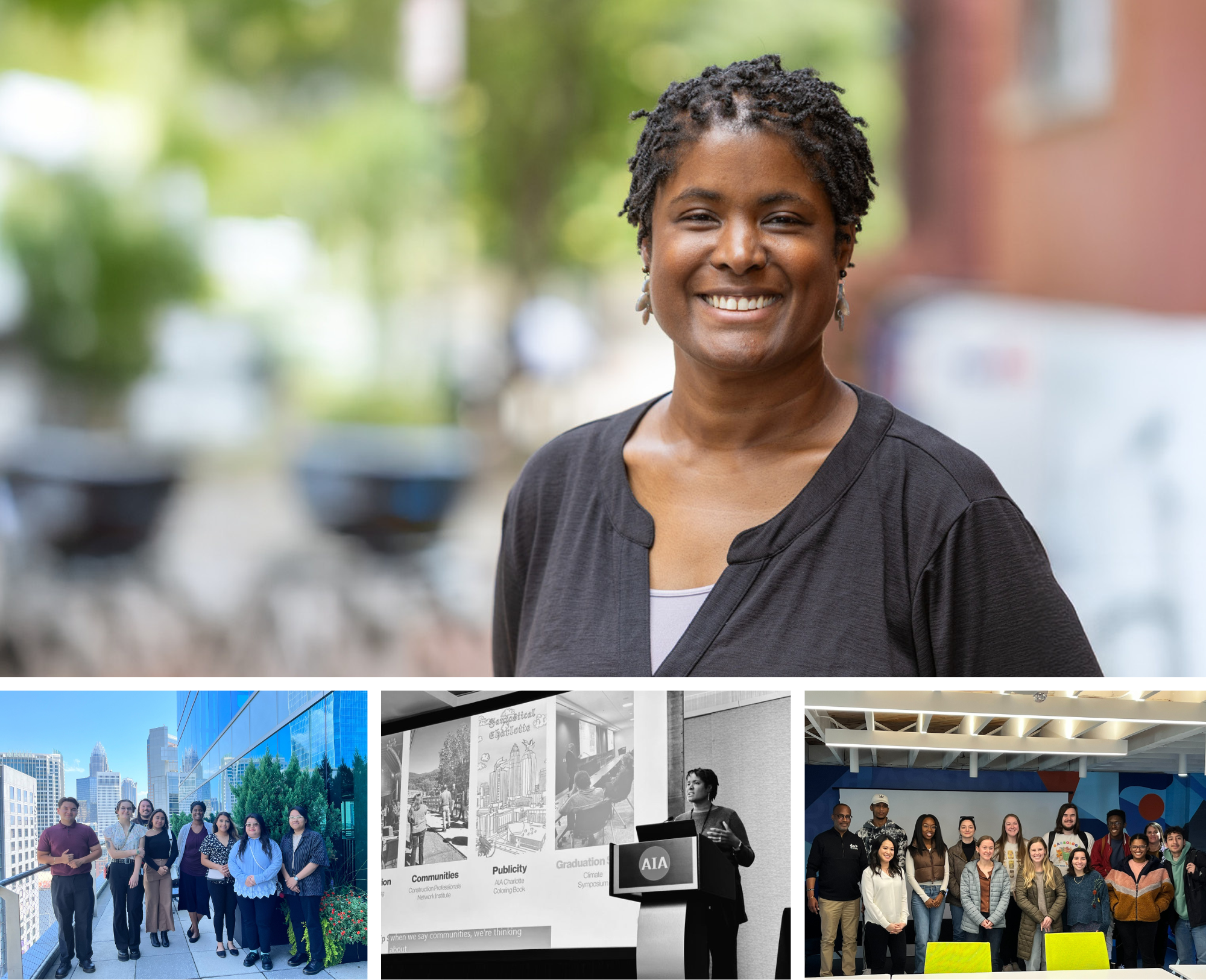
For Melanie Reddrick, architecture has always been a balance of art and science. Growing up with interests in both, she pursued the profession to blend her creativity with her technical problem-solving skills. That balance still fuels her work today, including her appraoch to mentorship in architecture.
Now a Senior Architect at Clark Nexsen and adjunct lecturer at UNC Charlotte, Reddrick brings that same perspective into mentoring the next generation of designers. As more women enter the profession, mentorship plays an important role in helping them grow and lead. We sat down with Reddrick to discuss what mentorship looks like in practice and the advice she shares with emerging architects.
1. You currently teach architecture students as a part-time adjunct lecturer. What has that experience been like, and what changes have you noticed in the profession since you were a student?
Seeing the profession through my students’ eyes energizes me. It reminds me of taking your children to Disney World for the first time. You get to experience that sense of wonder all over again. Watching them sketch, discuss ideas, and discover architecture brings back the same excitement that made me fall in love with the profession in the first place. One of the biggest differences I notice today is the number of women in the room. When I started architecture school in the 1990s, about a quarter of my classmates were women. Today, roughly half of my students are women. As more women step into leadership and teaching roles, it helps create pathways for female students. It makes a real difference when you can see a piece of yourself reflected in leadership.
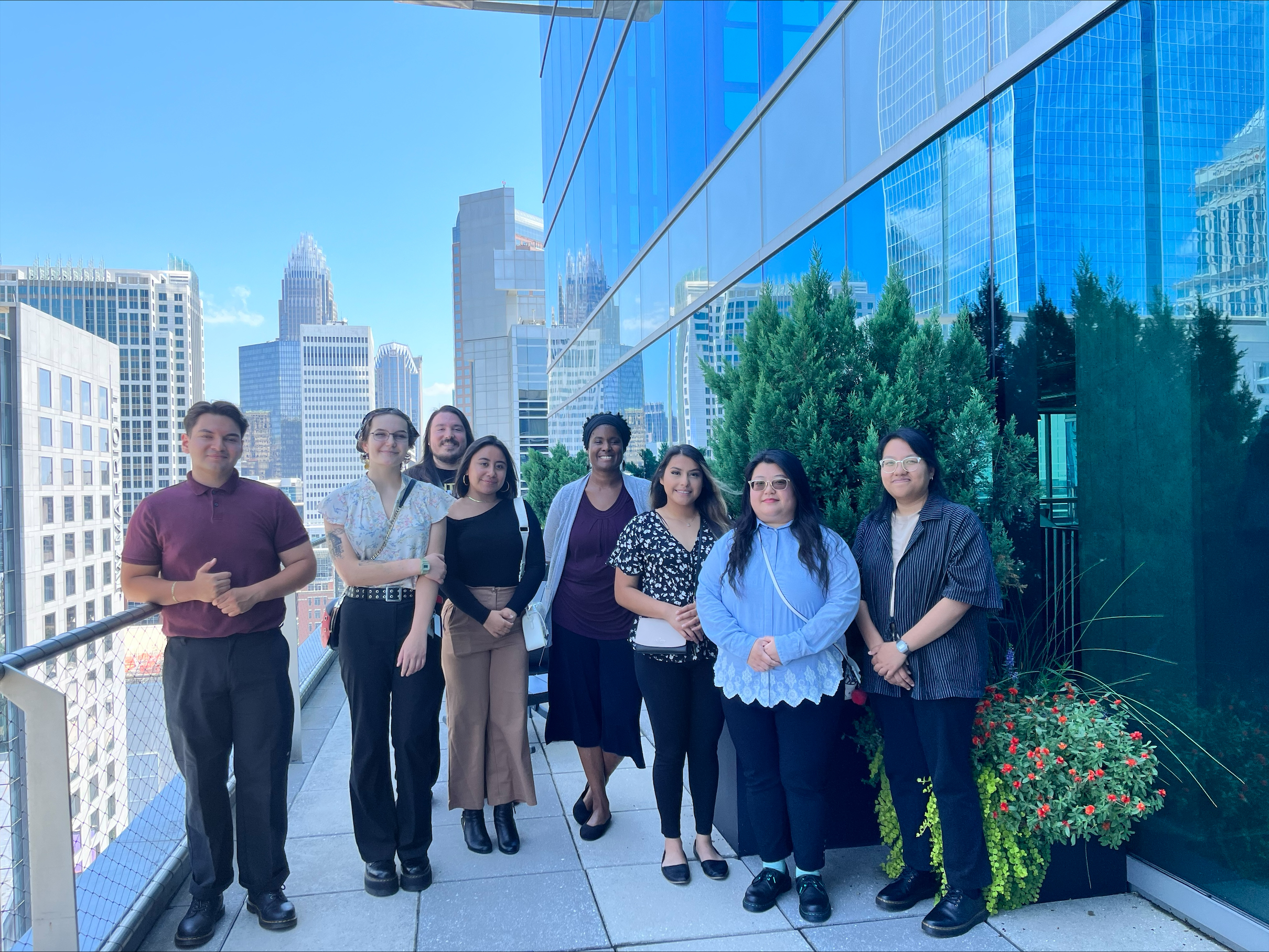
Melanie, center, with Central Piedmont Community College Architectural Technology students during a tour at Little Diversified Architectural Consulting, where she shared her experience and passion for the profession.
2. How has your position allowed you to mentor others, and what do you find yourself repeating?
It’s a full-circle moment to watch former students grow into the profession. Many reach out for advice. Our conversations often start with portfolios and how best to present their work. However, I find myself emphasizing the importance of licensure, especially for women. Despite more women entering the profession, there remains a gender gap in licensure.
When you’re a designer, you apply for jobs. When you’re a licensed architect, you get recruited. I usually leave them with the same question: Do you want to seek, or be sought? It completely changes the dynamic and gives you a sense of ownership. As a licensed architect, you earn the legal right to stamp and sign your own work. Don’t let someone else sign your art. Sign your own art.
3.What does mentorship in architecture look like for you in practice?
Mentorship is about coaching, not commanding. When people seek advice, they often already know the direction they’d like to go. My role is to help bridge the gaps so they can come to that conclusion on their own. That usually means asking more questions than giving answers. As a mentor, you also must understand that people are people. You can’t force anyone to do anything. It’s important to care about people without worrying about them. At the end of the day, I want them to become the best version of themselves, not a version of me.
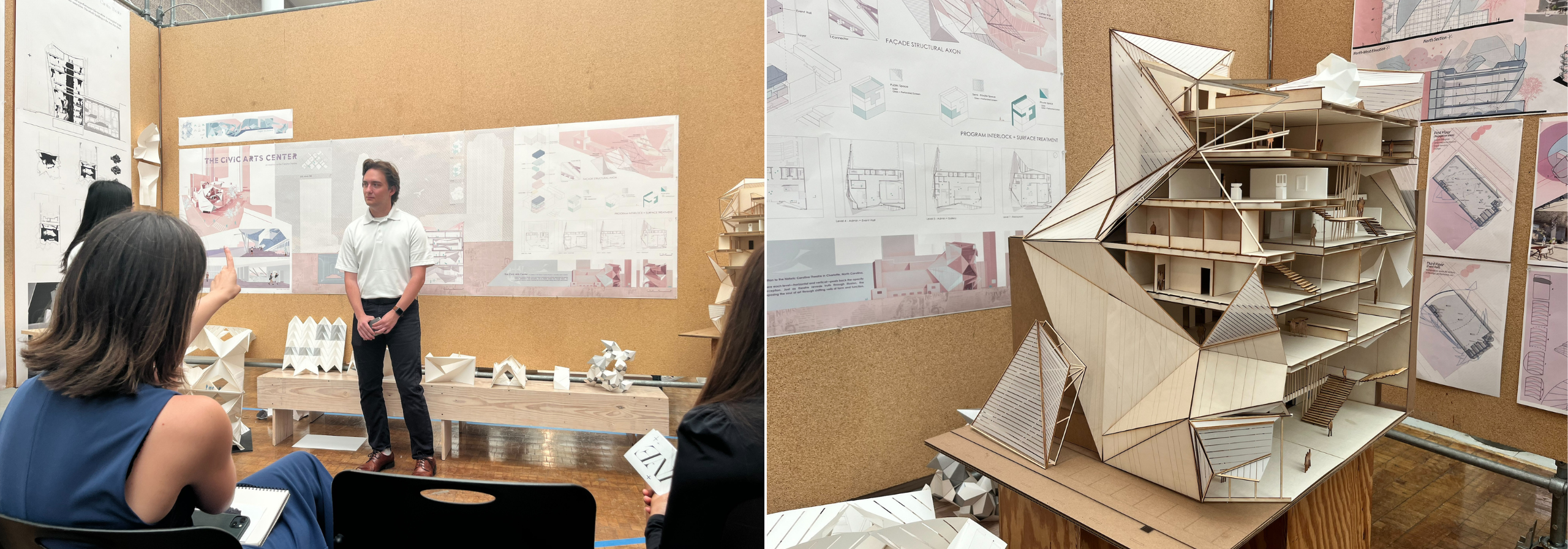
Melanie has mentored many students through her work as a professor at UNC Charlotte. Robert Tomazic, left, presenting his architectural work, is one of them.
4. Mentorship often involves helping people find their voices. How have you advocated for yourself and your ideas?
I’ve had to fight a lot throughout my career. What I’ve learned is that advocacy is a muscle. The more you use it, the easier it gets. Additionally, when you care deeply about the client, the project, or the people you’re serving, you’re not fighting for yourself anymore. You’re fighting for them. That shift in mindset allows the conversation to change. The people across the table stop feeling like opponents and start becoming co-problem solvers.
5. Looking ahead, what do you hope the next generation of architects carries forward into the profession?
Most importantly, I want the next generation to be healthy. When I was in school, there were a lot of late nights, a lot of sleeping on the studio couches, and a lot of surviving on ramen. I think the profession is beginning to recognize that kind of culture isn’t sustainable.
People understand the importance of mental and physical health more than ever, and I want the next generation to carry that into their careers. The work should be high-quality, but the people doing it should be mentally, physically, and emotionally healthy, too. Moreover, I want them to feel empowered to take ownership of their work and their lives.
Melanie Reddrick, AIA, NCIDQ, NCARB, is a Senior Architect at Clark Nexsen. With around 20 years of experience across higher education, civic, and K-12 markets, she holds dual licensure in architecture and interior design and brings a strong commitment to the profession through her work as a UNC Charlotte adjunct lecturer and Chair of the Mecklenburg County Historic Landmarks Commission. To speak with Melanie, please email melanie.reddrick@clarknexsen.com or call 704.840.1363.
Inspired by Melanie’s story? We’re hiring people who value mentorship and growth, just like she does. Check out our open positions.
